

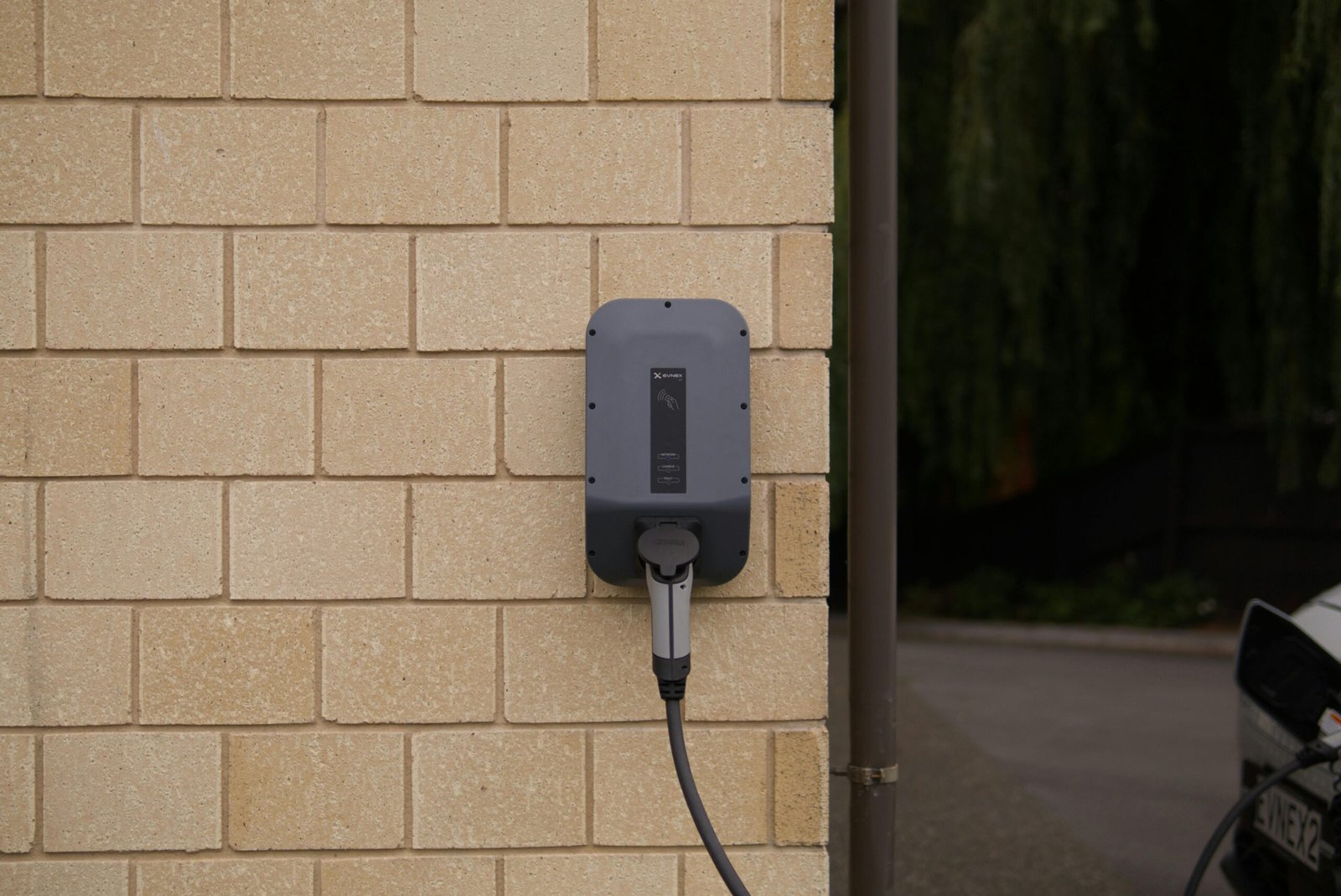
EV charger installation home is now a must-consider step for any homeowner switching to electric vehicles, but the reality is: hidden costs, permits, and technical traps can turn an easy win into a headache if you’re not prepared. Below you’ll find actionable, cost-transparent advice to help you decide whether to go DIY or hire an electrician—plus the exact checklist contractors use, top cost drivers, timelines, and future-proofing tips for upgrades coming by 2026.
Key Takeaways
- Expect total home EV charger installation costs between $850 and $2,700, but prepare for big swings based on city, permits, wiring, and panel upgrades.
- Permits, labor, and electrical panel limits are the main price and timeline drivers. Many DIYers can safely install if a proper 240V outlet exists—know your local regulations.
- Future-proofing (load management, OTA updates, V2H/smart features) is crucial—plan for a charger that will support EVs and incentives through 2026 and beyond.
- Average home EV charger installation costs (major US metros, 2024–2025)
- Step-by-step: DIY installation vs hiring a licensed electrician — process, hidden pitfalls, liability
- Advanced Analysis & Common Pitfalls
- Conclusion
- Frequently Asked Questions
Average home EV charger installation costs (major US metros, 2024–2025)
Before buying or installing anything, you need a clear view of total home EV charger cost. While hardware prices are dropping, labor and permit fees are climbing in most major cities.
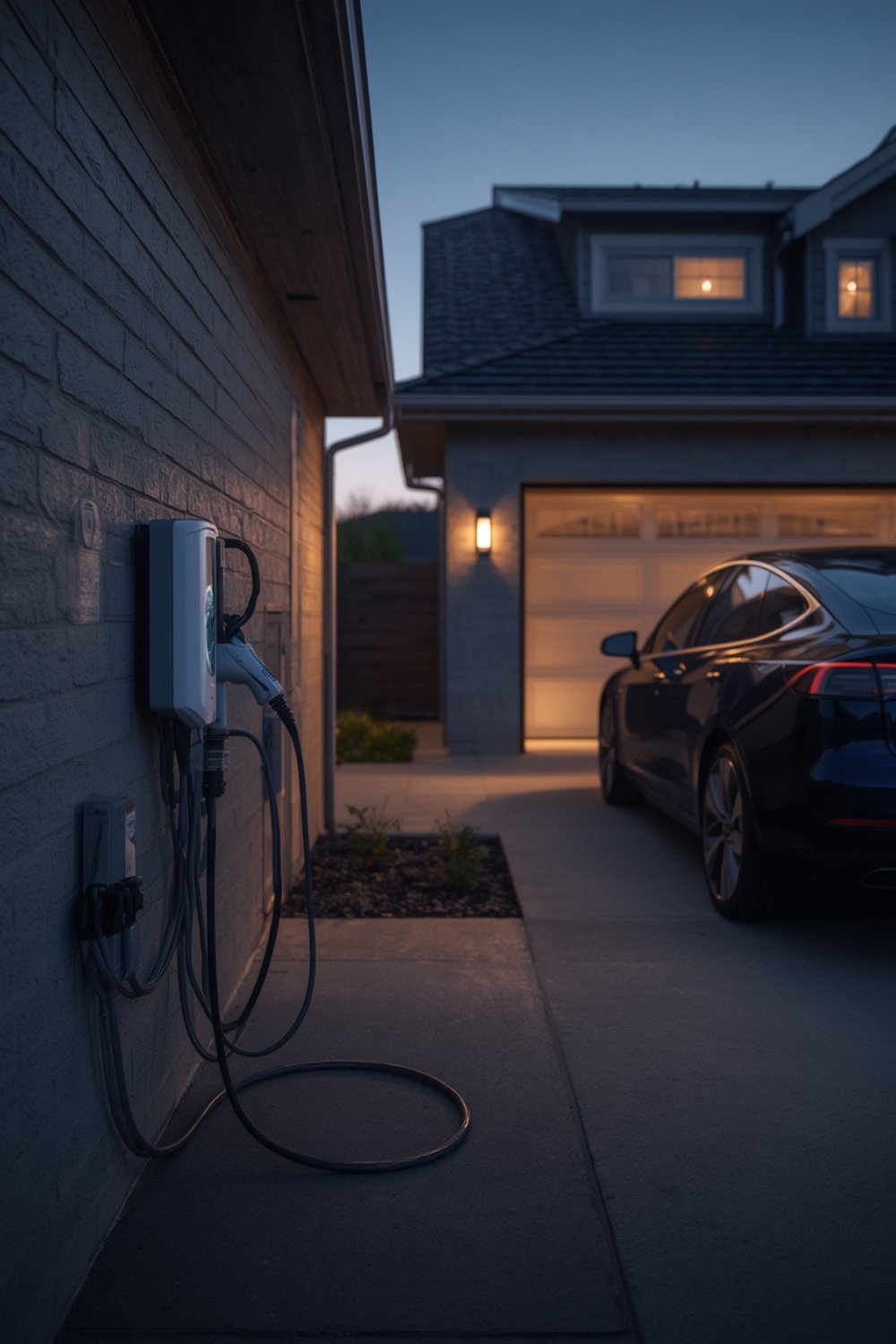
A full Level 2 EV charger installation home project (including parts, electrician, permit) typically lands between $850 and $2,700 (source, source), but these numbers flex up or down with every variable:
| Component | Cost Range |
|---|---|
| Charger hardware | $300–$1,200 |
| Wiring, conduit & materials | $200–$800 |
| Electrician labor | $400–$1,500 |
| Permit & inspection fees | $50–$500 |
National data also shows dramatic cost swings by region:
| Region | Average Cost |
|---|---|
| Oregon (low) | $1,834 |
| South Dakota (low) | $1,996 |
| Mississippi (high) | $3,680 |
| West Virginia (high) | $3,150 |
| USA Average | $2,442 |
Urban labor rates and permit complexity in places like California or New York push costs higher, while limited electrician options in rural areas can result in premium prices. Typical permitting costs average $297 (range $45–$720). Electrician labor almost always eclipses $400, and can readily reach $1,800 in competitive metros (Q4 2024 data).
To budget smartly, get local ballpark quotes and look for regional incentives (some utilities offer up to $500 rebates—check our EV charger rebates guide).
Step-by-step: DIY installation vs hiring a licensed electrician — process, hidden pitfalls, liability
Should you go DIY or hire a pro? Here’s exactly how the process shakes out—and which risks and cost traps are lurking at each phase.
- Site Assessment: Map the shortest, safest route from your electrical panel to your charger location. Note if you’ll need exterior-rated or underground conduit.
- Panel Capacity Check: Confirm with a multimeter (or have an electrician verify) if your service panel supports a 40–50 amp circuit breaker. Most Level 2 chargers demand it—and many 1980s-2000s homes need a panel upgrade first (learn the signs here).
- Permit Filing: Nearly all cities require a permit for new EV charger circuits. Expect paperwork and a $50–$500 upfront fee. Skipping this can trigger insurance denial or throughput-capping fines.
- Wiring & Circuit Install: Route heavy-gauge wire (usually #8 or #6 copper) from the panel to the charge location. Install a new 240V breaker, ground the connection, and test per manufacturer and local code.
- Charger Mounting & Setup: Follow “UL-listed” installation instructions. Wall-mount the charger, double-check for weatherproof enclosure if outdoors, and connect to Wi-Fi for app-controlled models.
- Inspection & Utility Notification: City inspector will check grounding, panel capacity, labeling, and sometimes even charger software for safety. Once passed, your permit closes and you’re legal to use.
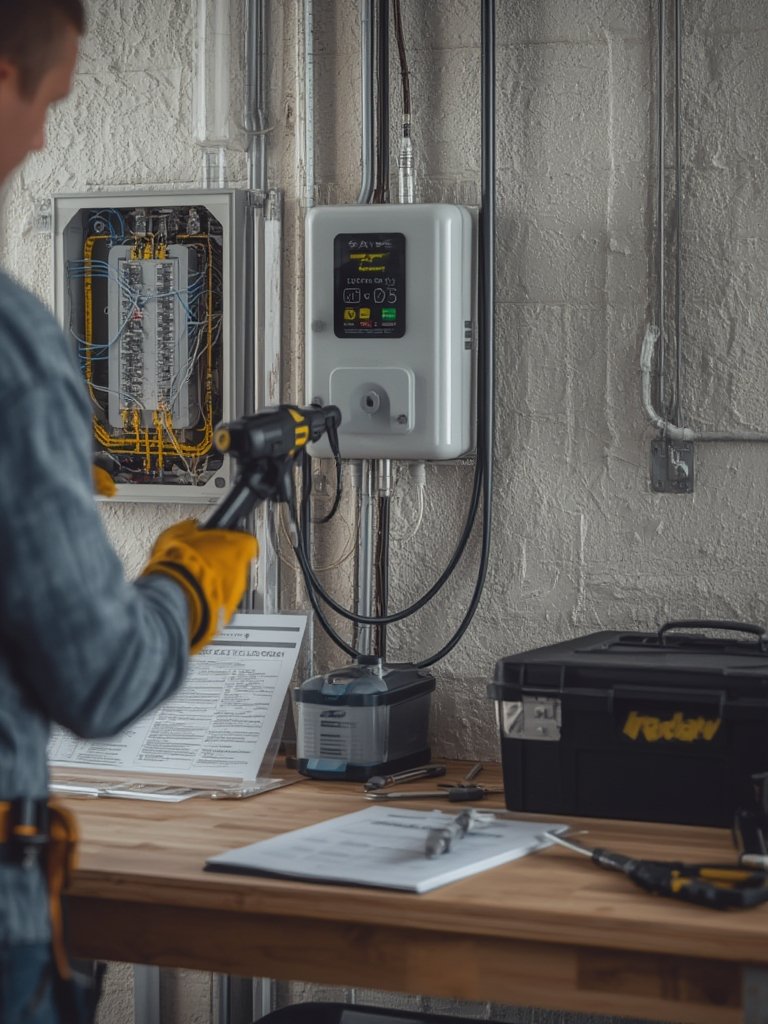
Hidden Pitfalls & Safety/Insurance Risk Matrix
- Not pulling a permit: If you skip permits, some homeowner insurance may be voided after a fire—even if it wasn’t charger related.
- Undersizing wiring: Using less than code-minimum gauge causes heat buildup and early breaker trips—always use manufacturer’s specs or thicker.
- Skipping GFCI breakers: Many local codes require ground fault protection on all garage and outdoor EV outlets. Older installs without it won’t pass inspection.
- Charger warranty voids: Almost all major brands require install by a licensed pro for full warranty support—DIY may limit your options in a failure.
- Panel overload: If your panel can’t handle 40A–50A breakers and you install anyway, you risk tripped mains—or full replacement before you can pass inspection.
The smart middle ground: if you have a compliant, existing 240V outlet and use a certified plug-in Level 2 charger (with Smart Splitter if needed), DIY is realistic for handy homeowners. If panel upgrades, trenching, or permit inspection are needed—it’s almost always faster, safer, and more cost-effective to hire a pro.
For a full EV charger installation home permit breakdown (with examples from California, Texas, and New York), see our EV charger permit requirements guide.
DIY vs Pro: Quick Comparison Table
| Step | DIY (with 240V outlet) | Hire Electrician |
|---|---|---|
| Permit required? | Sometimes | Always |
| Material cost (basic) | $300–$700 | $300–$800 |
| Labor cost | $0 (your time) | $400–$1,800 |
| Typical timeline | Within a day | 1–4 weeks |
| Warranty eligible? | Limited/void | Full |
| Insurance compliant? | Maybe (depends on permit) | Yes |
Advanced Analysis & Common Pitfalls
Over 60% of permit-related home EV charger installation issues stem from two areas: overloaded panels and failed inspections (based on Reddit r/ev threads, Tesla Motors Club, and primary homeowner interviews). Below is what real owners wish they knew from day one.
Top Real-World Installation Problems (Homeowner Reports)
- Wi-Fi or app unreliability: Many affordable chargers have poor wireless connectivity. Multiple Reddit EV owners complain of smart charger apps dropping connections—driving up troubleshooting time.
- Tripped breakers/load balancing: If your home already has high draw (laundry, AC, appliances), chargers may frequently trip breakers or cause flickering lights. Quality “load management” features (or Smart Splitters) help minimize conflict.
- Connector wear/weathering: Reports show that untethered cables coiled outside are prone to cracking. Invest in weatherproof holsters or keep your charger covered in harsh climates.
- Improper grounding: Multiple forum users cite failed final inspections due to missed grounding screws or incorrect bond wiring, especially on DIY jobs.
- Billing surprises: New “time-of-use” utility rates can mean your charging bill doubles if you’re not set for off-peak times. Get familiar with your utility’s options and set a charging schedule in the app.
Ways to Troubleshoot and Protect Your Investment
- Always: Confirm your charger’s warranty policy requires licensed installation before DIY.
- Require: Paper or PDF permit close-out from your electrician before final payment.
- Document: Pre- and post-installation photos for future warranty and insurance claims.
Cost-saving Tactics (Checklist)
- Get at least three competing quotes from local licensed electricians (see our hiring checklist).
- Ask each about using an existing 240V circuit or Smart Splitter for dramatic savings.
- Choose plug-in chargers with Energy Star and UL listing for rebate eligibility.
- Request itemized (not bundled) labor and permit estimates to avoid upcharges.
For deeper troubleshooting methods, tips for seasonal maintenance, and warranty claim guides, check our Level 2 EV charger maintenance FAQ.
Conclusion
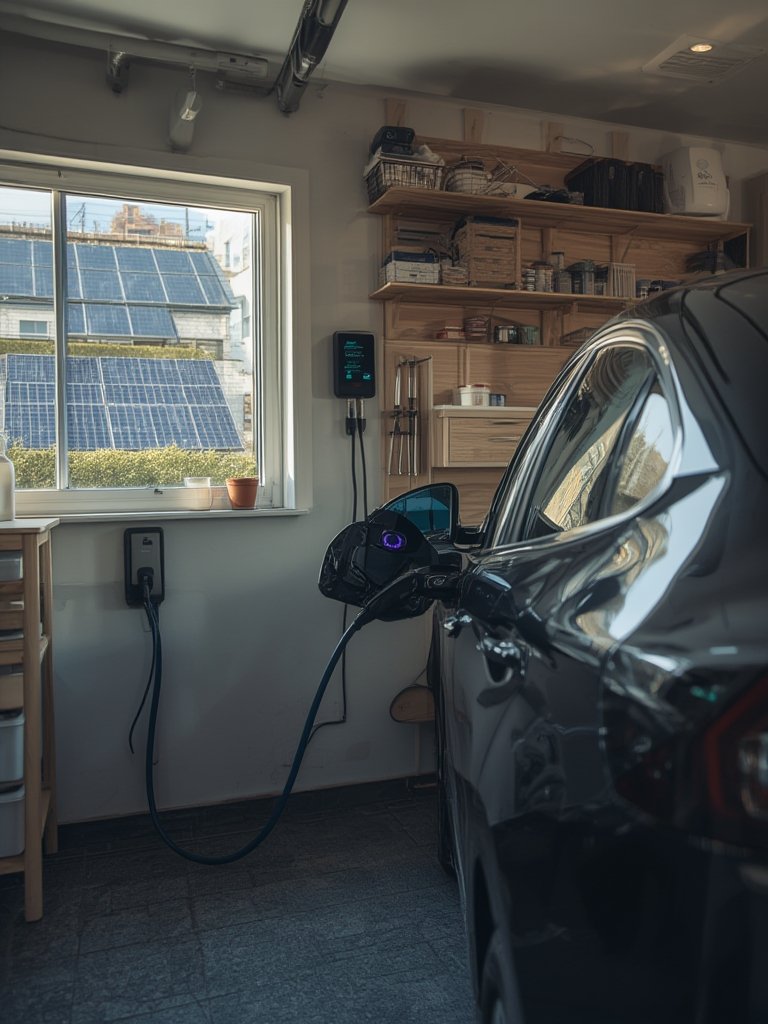
Installing or upgrading your EV charger at home is a major investment—but it doesn’t need to be a risk or a time sink. If your panel supports a dedicated 240V circuit and local codes allow, consider a DIY approach with proper permits for smaller jobs. For new circuits, panel upgrades, or permit-heavy cities, pay for a licensed electrician to safeguard your warranty and insurance. The average EV charger installation home cost sits between $850 and $2,700, with permit, panel, and labor as the chief cost drivers. Ready to move? Get three local electrician bids, verify permit process up front, and check manufacturer requirements before placing your deposit.
Don’t forget to review our in-depth guides on permit requirements, incentives, and best future-proof home EV chargers for 2026 before hiring or buying.
Frequently Asked Questions
How much does it cost to install a Level 2 EV charger at home?
Costs in the US typically range from $850 to $2,700 all-in, depending on your city, labor, permit, wiring needs, and whether you need a panel upgrade. Labor alone usually costs $400–$1,500. Adding a new panel or major trenching boosts cost quickly. [Source]
Do I need a permit for home EV charger installation?
In almost all US cities, yes. Permit fees run $50–$500, with an average of about $297. Some municipalities also require a final inspection before you can use the charger legally. Check your city’s building office for exact requirements.
Can I install a Level 2 EV charger myself?
If you already have a suitable 240V outlet, many homeowners can safely plug in a UL-listed charger and configure the app. However, new outlets, panel upgrades, or hardwired chargers should almost always be done by a licensed electrician to keep warranties valid and insurance safe.
What are the main risks with a DIY EV charger install?
Main risks include failed inspections, insurance complications, tripped breakers from overloaded panels, and voided warranties. If you skip permits or mis-size wire, repairs can be expensive and risky.
How can I future-proof my home EV charger for 2026 and beyond?
Look for chargers supporting 48A+ power, Wi-Fi with regular OTA updates, manufacturer support, UL certification, compatibility with major apps, load management, and readiness for solar or vehicle-to-home (V2H) features.