

### Blog Post:
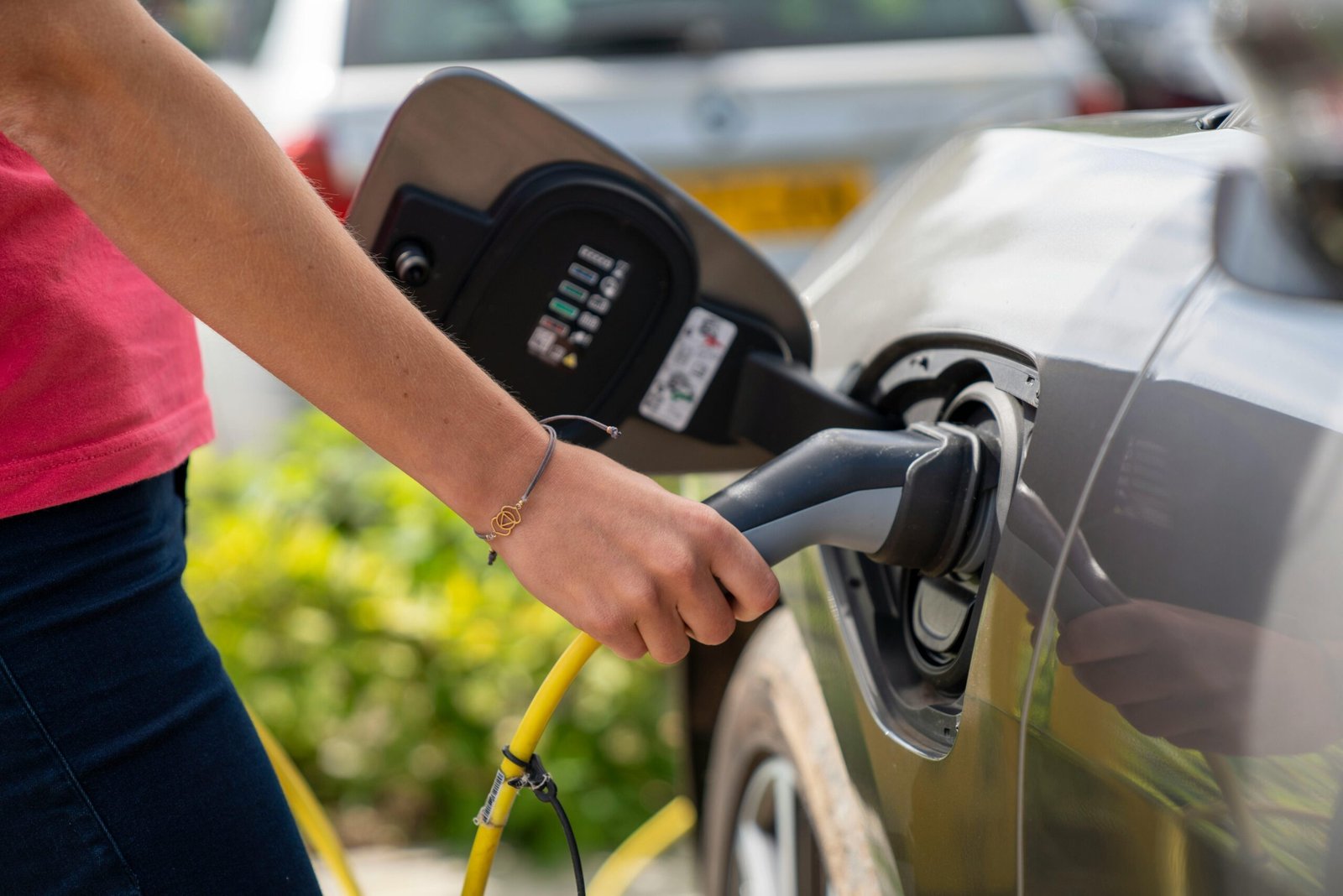
EV charger installation home decisions can make or break your experience of owning an electric vehicle. Whether you’re planning to install a Level 2 charger yourself or hiring a professional, understanding the real costs, step-by-step process, and where most people (and articles) go wrong will save you money, hassle, and even safety issues.
Key Takeaways
- The average home EV charger cost (all-in) ranges from $900 to $2,500; regional, panel, and permit differences can change your bottom line.
- DIY is possible (and tempting) for the handy, but permits, electrical code, and safety make pro installation the right call for most.
- Most homeowners overlook post-install maintenance, insurance, and future readiness, risking extra costs and headaches.
- How much does EV charger installation at home actually cost?
- Cost breakdown — equipment, wiring, labor, permits, and panel upgrades
- Regional and state variations — budget by location
- DIY vs. professional Level 2 EV charger installation — electrical requirements and step-by-step comparison
- Permits, inspections and common code hurdles — what slows projects and how to streamline approval
- Rebates, tax credits and utility incentives — what’s available and exactly how to claim it
- Real user pain points and post-install problems — what owners complain about (and how to avoid/resolve them)
- What to expect from the best home EV chargers in 2026 — features to prioritize and comparison framework
- Three crucial topics most competitors miss (deep sections)
- Practical deliverables — downloadable checklist, estimator, and electrician hire script
- Decision guide — Hire an electrician or DIY? (quick flowchart + next steps)
- FAQ and authoritative next resources
How much does EV charger installation at home actually cost?
Here’s the bottom line: The home EV charger cost in 2024–2026 ranges from around $800 to $3,000 (excluding equipment). The all-in cost with hardware, labor, and permits typically lands between $900 and $2,500 for most homes. Where do you land in that range? It depends on your electrical setup, panel capacity, the distance from your panel to the charging location, and where you live.
Here’s what shapes your cost:
- Simple installs (existing 240V outlet line, short run): $900–$1,300 all-in
- Typical homes (short/moderate wiring, permit needed): $1,500–$2,500
- Complex or older homes (panel upgrade, long run, permits): $2,500–$4,500
Average national installation (excluding equipment): $2,442 (EnergySage), with highs like Mississippi ($3,680) or Kansas ($3,081) and lows like Oregon ($1,834). Urban areas have premium labor rates, while rural areas vary wildly depending on electrician availability.
Cost breakdown — equipment, wiring, labor, permits, and panel upgrades
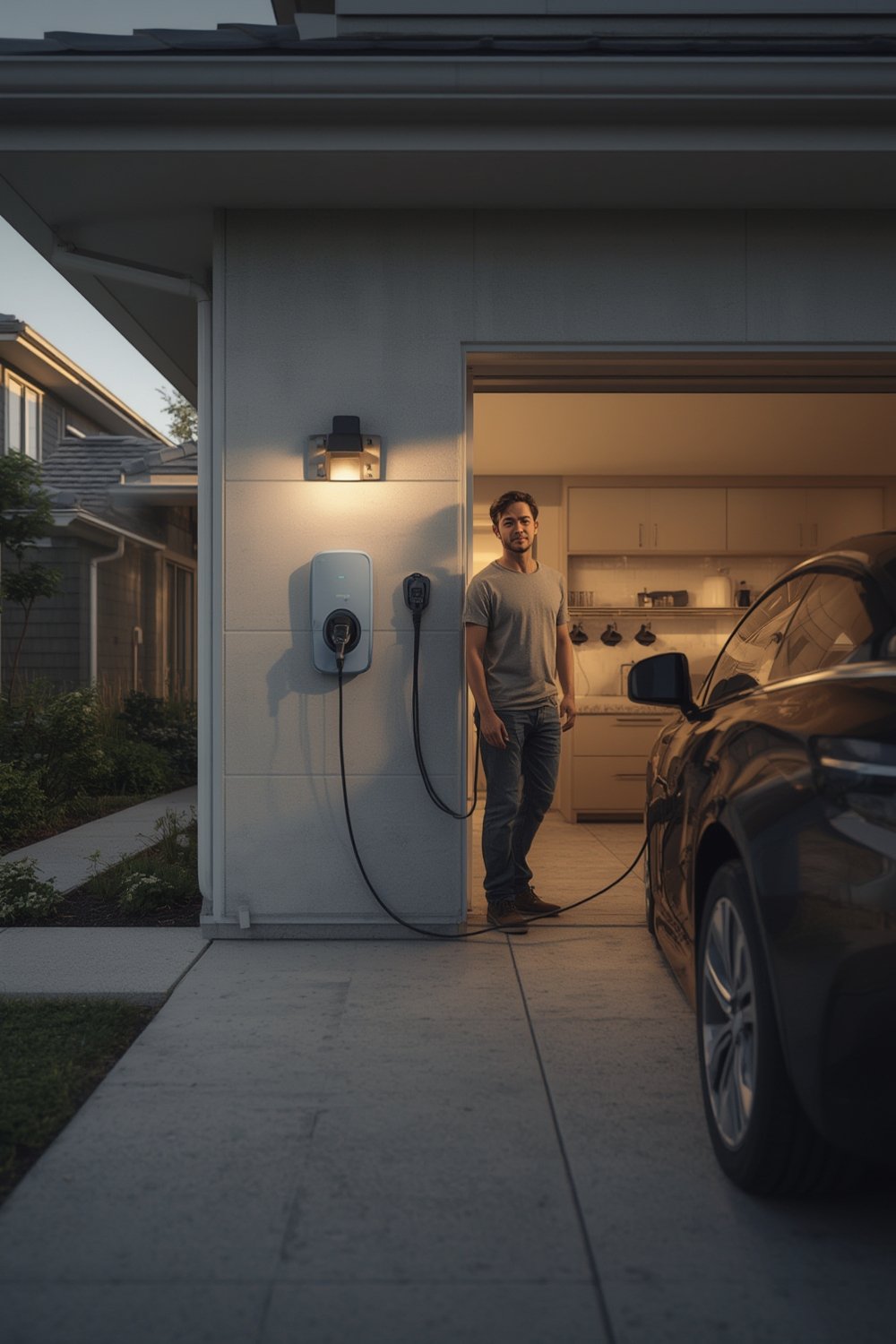
Let’s itemize a typical level 2 EV charger installation:
| Component | Typical Cost Range |
|---|---|
| Charger equipment (best home EV charger 2026) | $300–$1,200 |
| Wiring/materials | $200–$800 |
| Professional labor | $400–$1,500 |
| Permits (average $297) | $50–$500 |
| Electrical panel upgrade (if needed) | $1,000–$4,000+ |
Note: Panel upgrades are the #1 “surprise” cost; plan for them if your home is older or already maxed out on circuits.
Remember, every electrician has their own “minimum service” fee — bundle multiple electrical projects (e.g., panel update and charger install) to negotiate a better rate.
Regional and state variations — budget by location
Your EV charger installation home price can change dramatically by state, region, or even neighborhood.
| State | Avg Install Cost (Excl. Equipment) |
|---|---|
| Mississippi | $3,680 |
| Kansas | $3,081 |
| Alaska | $3,049 |
| Oregon | $1,834 |
| USA Average | $2,442 |
If you’re in a dense city (NY, SF, Chicago), EV charger permit requirements and labor costs trend higher. In rural areas, installer scarcity can surprisingly drive prices up, or — where “side gigs” exist — bring them down.
Quick references:
DIY vs. professional Level 2 EV charger installation — electrical requirements and step-by-step comparison
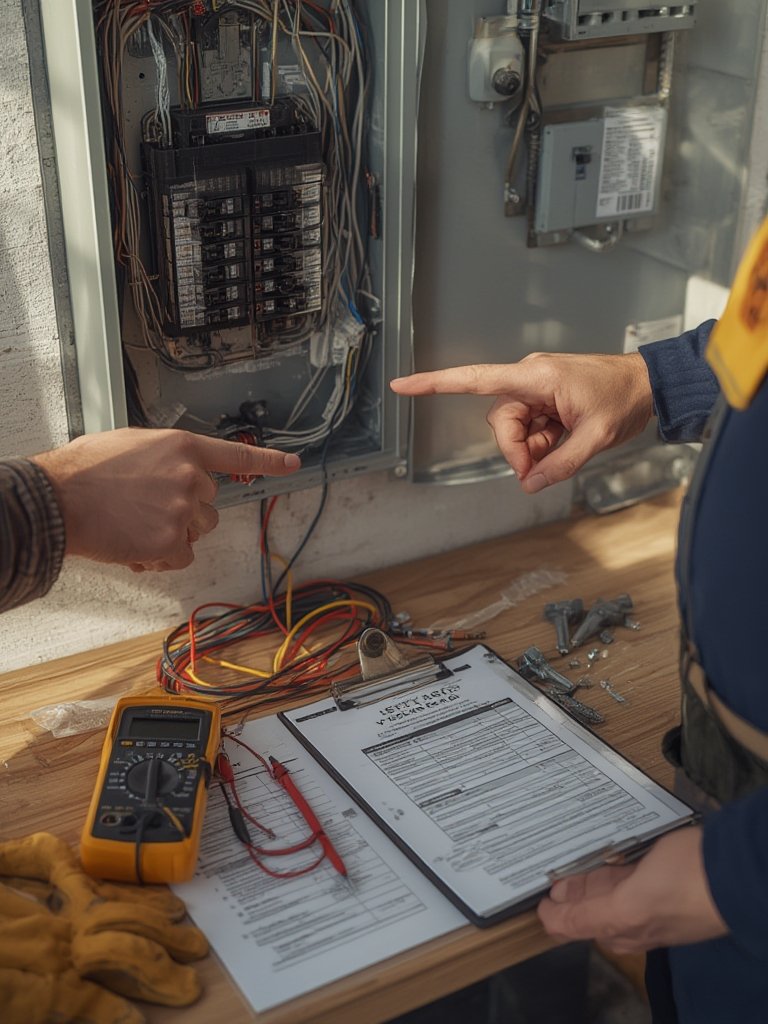
Here’s reality: Level 2 chargers work off a 240V outlet or dedicated circuit (30–48A), like what’s used for an electric dryer. If you have a new or recently upgraded panel, short distance from charger to panel, and some electrical confidence, DIY could be legal and safe — but only if your city allows it and you’re willing to pull a permit.
DIY checklist: (only if permit and code allow!)
- Check your electrical panel — at least 40A of space per charger needed.
- Shut off main breaker, verify no power before touching wiring.
- Install dedicated 240V breaker and run properly gauged cable to the outlet or mounting plate.
- Follow manufacturer’s install manual exactly — GFCI breaker and weatherproofing (if outdoors) are usually required.
- Test with a plug-in tester, and call for inspection before first use.
When to never DIY: Subpanel needed, unfamiliar with permit process, panel upgrade or moving meter, detached/long run garages, no confidence with 240V wiring.
What pros do (and why pay for it):
- Handle all permit paperwork with the city or county.
- Confirm code compliance, panel load calculation, wiring run, conduit, GFCI/protection.
- Perform safe, insured work (licensed and bonded) — and fix if there are issues.
- Troubleshoot — especially in homes with old, “creative” wiring.
A simple install may take a skilled DIYer 4–6 hours (if all goes well). Pro jobs run 2–4 hours, but wait times for permits or busy seasons can add days/weeks.
Costs spike to $2,000+ if:
- You need a new panel (often in pre-1980s homes).
- Charger is far from the main panel (detached garage, basement, long runs).
- Permitting in your city is particularly strict — common in California, Northeastern cities.
Even seasoned DIYers frequently hire out panel upgrades or challenging installs.
See our full guide on how to install EV charger at home for step-by-step visuals and safety notes.
Permits, inspections and common code hurdles — what slows projects and how to streamline approval
Permitting is not optional — skipping it can kill your insurance or home sale — and costs $50–$500 ($297 average). Urban areas (NYC, LA, Boston) usually add extra steps for historic homes, any panel upgrade, or if hardware faces the street.
Speed approval step-by-step checklist:
- Check your city/county building website for “EV charger” permit forms. Call if unclear — some require in-person applications, some are online.
- Prepare a rough wiring diagram and panel load calculation (your installer can supply).
- Bundle other required work (panel upgrade, separate subpanel) in the same permit.
- Schedule inspection on the earliest available date. Get it on the calendar in advance.
- Ask the installer (or city inspector) for a copy of the signed-off permit — you may need this for rebates, insurance, or home resale.
Common code delays:
- Not enough panel capacity discovered “in the field.”
- Insufficient GFCI/outdoor protection.
- Equipment mounted on/near sidewalk or property lines — triggers “special review.”
- Lack of “clear photos/diagrams” — the most frequent permit rejection reason.
Pro tip: You can save weeks if you email panel/location photos and a diagram with your initial permit app.
For permit rules, see: EnergySage cost guide
Rebates, tax credits and utility incentives — what’s available and exactly how to claim it
The good news: Most US homeowners are eligible for a federal tax credit and/or utility rebate when installing a Level 2 charger at home.
- Federal 30C Alternative Fuel Infrastructure Tax Credit: 30% of qualifying costs (labor, materials) up to $1,000, through June 2026. Must be primary residence, located in eligible census tract (DOE eligibility map).
- Utility Rebates: Usually $250–$1,000. Most require documented contractor invoices and may require you to sign up for a special “smart charging” or time-of-use rate (DSIRE rebate database).
How to claim:
- Save ALL your invoices (itemized for equipment, labor, permits, and materials).
- Fill out IRS Form 8911 as part of your tax return (for the federal credit).
- Check your utility’s website or the DSIRE database for local rebates (search your ZIP code).
- Submit installer-signed paperwork and permit copy — rebates are often first come, first served.
For more detail, see our EV charger installation home rebate guide.
Real user pain points and post-install problems — what owners complain about (and how to avoid/resolve them)
While actual customer review data is sparse, electricians and owner’s forums reveal the following common post-installation headaches:
- Surprise panel upgrades or misquoted labor costs: Always clarify site visit vs. phone estimate — “The initial quote over the phone was $800, but after seeing my panel, the total was $2,200.” (Reddit)
- Connectivity and smart app frustrations: “My charger loses the WiFi signal every few days — got a mesh repeater and now it’s fine.”
- Charger placement regrets: “I wanted it on the driveway side, but nobody told me the permit inspector cared about street view.”
- Shared meter disputes: “I live in a condo and had to haggle with the HOA for weeks to get approval, and then more for shared electrical costs.”
- Warranty confusion: “The installer said they’d fix problems, but after inspection, they disappeared. Turns out, only the hardware had a warranty, not the labor.”
Pre-install troubleshooting checklist:
- Ask for in-person quote with panel inspection.
- Clarify who covers warranty service — installer, manufacturer, or both.
- Test WiFi signal at charger location before install (if using a smart charger).
- If you’re in a multiunit building, get written board approval—don’t just ask verbally.
What to expect from the best home EV chargers in 2026 — features to prioritize and comparison framework
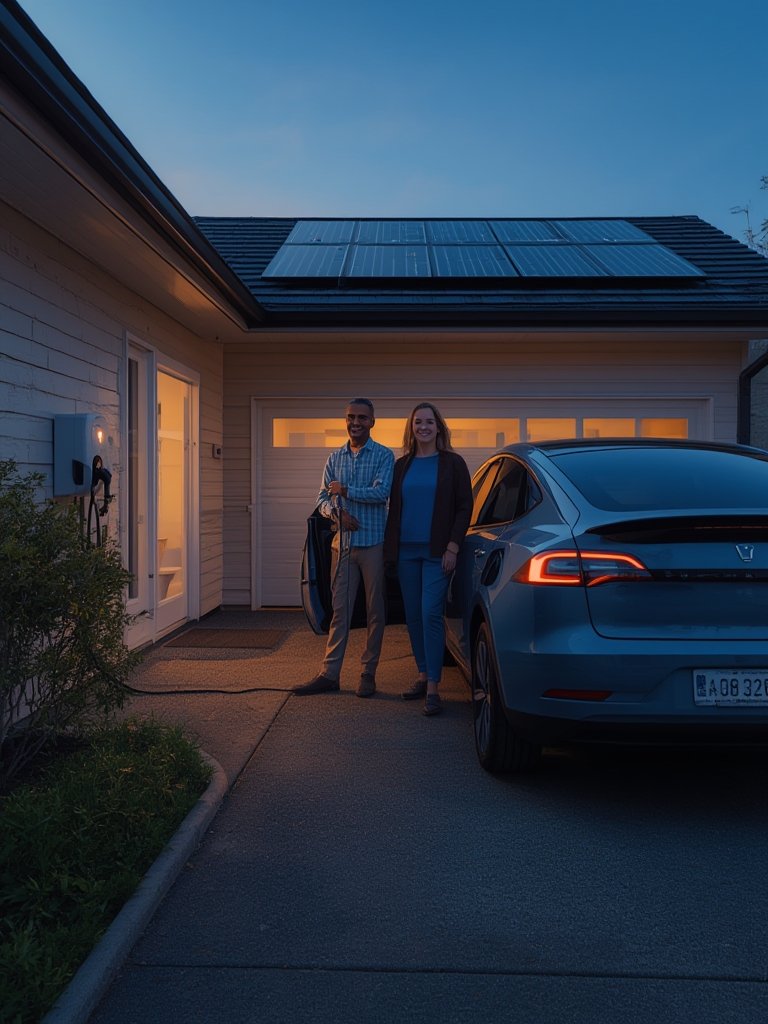
Today’s best models run 30–48A, have WiFi or Bluetooth app support, and integrate with utility “demand response” programs. Looking ahead to 2026, here’s how to future-proof your purchase:
- Power/amperage: Look for 40A+ models, adjustable for vehicle spec.
- Dynamic load balancing: Lets you add more chargers or handle future EVs.
- Solar-ready/bi-directional (“vehicle-to-home”): For those adding solar now or later.
- Robust app and firmware updates: Don’t settle for “set it and forget it” brands; support matters.
- Weather protection: Seek at least NEMA 4/IK10 rated hardware for outdoors.
- Warranty: Look for 3+ years with clear claim process.
Our simple comparison framework:
| Feature | Score (1-5) | Notes |
|---|---|---|
| Power Output | Must match vehicle, future-proof if possible | |
| Smart Charging/App | Ease of scheduling, updates | |
| Weatherproof Rating | Especially if outdoors | |
| Warranty/Support | ||
| Installation Simplicity |
Print this and score your top 3 models before buying. For detailed reviews and picks, see our best home EV charger 2026 feature roundup.
Three crucial topics most competitors miss (deep sections)
1. Ongoing maintenance and troubleshooting routines
- Visually inspect cabling and connector at least twice a year for wear or water intrusion.
- Check breaker and GFCI function using the test button once per quarter.
- Update charger firmware regularly (set calendar reminders), especially if your brand releases bug fixes or adds new features.
- If the charger fails or throws error lights, call the manufacturer (not just your installer) first — many issues are firmware, not hardware.
- Keep a log of charging performance. Any consistent slowdown or breaker trip? Get it looked at — unusual heating or repeated resets can signal serious issues.
2. Future-proofing: sizing, conduit, upgrade paths
- Choose a charger rated for at least 40A/9.6kW, even if your current EV only needs 32A. Nearly all new EVs max out at 48A/11.5kW or more.
- Run conduit/wiring sized for a future second charger. It’s 20% more now, double the cost later.
- If possible, install a subpanel in the garage for future projects (solar inverter, battery, or more EV chargers).
- Route cables above flood lines, and avoid crossing driveways or landscaping — this makes future repairs/upgrades far easier.
3. Insurance, warranties and resale value
- Call your home insurance agent before or immediately after install: ask if higher policy limits or a “rider” for electrical work is recommended.
- Document everything: take timestamped photos, get all installer permits and sign-offs in one PDF. This helps with home resale (some buyers demand proof for “unpermitted” work).
- Understand what is covered and where: device/hardware warranty is usually 2–5 years, but labor may only be covered for 90 days unless you buy an extended service contract.
- Insist on outdoor-rated chargers with surge protection — storm damage is a common uninsured loss in many areas.
Practical deliverables — downloadable checklist, estimator, and electrician hire script
Pre-Install Home EV Charger Checklist (save or print!):
- Photo of main panel — open door so amp rating and all breakers are visible
- Photo of desired charger location (garage/driveway/exterior wall)
- Know your main panel’s amp rating (100A, 150A, or 200A+?)
- Measure distance in feet from panel to proposed charger spot (overhead or underground?)
- Confirm you have WiFi/broadband at charger area (for “smart” units)
- HOA/condo approval letter (if applicable)
- Utility rebate and federal tax credit eligibility checked (see DSIRE/IRS links below)
Quick Cost Estimator:
- Equipment: $300–$1,200
- Wiring/materials: $200–$800
- Labor: $400–$1,500
- Permits: $50–$500
- Panel upgrades: $1,000–$4,000 (only if needed)
Copy-paste installer script (phone/email):
- “Hello, I’m looking for a quote on EV charger installation home. I have [your panel amps here] and want the charger [garage/driveway/exterior wall]. I can send photos. Can you confirm if my panel can support a 40A+ circuit and if you handle permit paperwork?”
- “Can you tell me if I’m eligible for local utility rebates or federal tax credits, and will you provide the detailed documentation for my records?”
Bring panel/location photos to every quote!
Decision guide — Hire an electrician or DIY? (quick flowchart + next steps)
DIY vs. Pro Decision Flow:
- Do you clearly know your panel capacity AND have a free 40A+ slot?
- Are you 100% comfortable working with 240V circuits?
- Does your city/county allow homeowners to pull electrical permits, or require a pro?
- Willing to research/submit all paperwork and schedule inspections yourself?
If any answer is “No,” hire a pro. For most safety (and insurance) reasons, we strongly recommend pro install for anything beyond a simple plug-in wall charger.
Next steps:
- DIY: Pull permit, follow manufacturer wiring instructions to the letter, test GFCI/protection, and get signed inspection before plugging into your car.
- Hire a pro: Get 3+ written bids, verify license/insurance, and confirm in writing if they handle permitting, rebates, and warranty paperwork.
Level 2 requires a 240V outlet/circuit (30–48A). Expect total costs to rise rapidly with added distance from panel or need for a panel upgrade.
Get the full step-by-step in our EV charger installation home manual.
FAQ and authoritative next resources
How long does it take to get a permit and inspection?
Most permits are approved in 1–5 business days; big urban areas or historic homes can take 2–4 weeks with required site visits.
How do I know if my panel needs an upgrade?
If you have less than 100A service, or your panel’s slots are all taken, you will likely need an upgrade ($1,000–$4,000+). An electrician or electrical inspector can confirm this quickly.
How long is the typical warranty for home EV chargers?
Most offer 2–3 year hardware warranty, with 90 days up to 1 year labor/installation cover. Check the documentation before buying — extended service plans can fill gaps.
Do I need HOA or condo association approval?
Usually yes, especially for any work that affects shared electrical or exterior areas. Get it in writing before signing any installer contract.
What receipts/documentation do I need for rebates/tax credits?
Keep every itemized invoice (equipment, labor, permits, materials), photos of the completed install and permit sign-off, and any rebate/credit printouts. Most incentives require submission within 90 days of project completion.
Authoritative resources for rebates, credits, and permit guidance:
- DSIRE database of state/utility incentives
- DOE mapping tool for federal 30C credit eligibility
- IRS resource for claiming credits
- EnergySage: EV charger installation home cost guide
Conclusion
Getting your EV charger installation home project right can save you real money and headaches, help you claim every possible rebate, and avoid the biggest pitfalls other homeowners experience. Whether you’re a confident DIYer or looking to hire a pro, use the checklists, scripts, and breakdowns above to make your install safe, efficient, and future-proof. Ready to take the next step? Get 3+ quotes or start your permit research now — you’ll thank yourself at every charging session.